
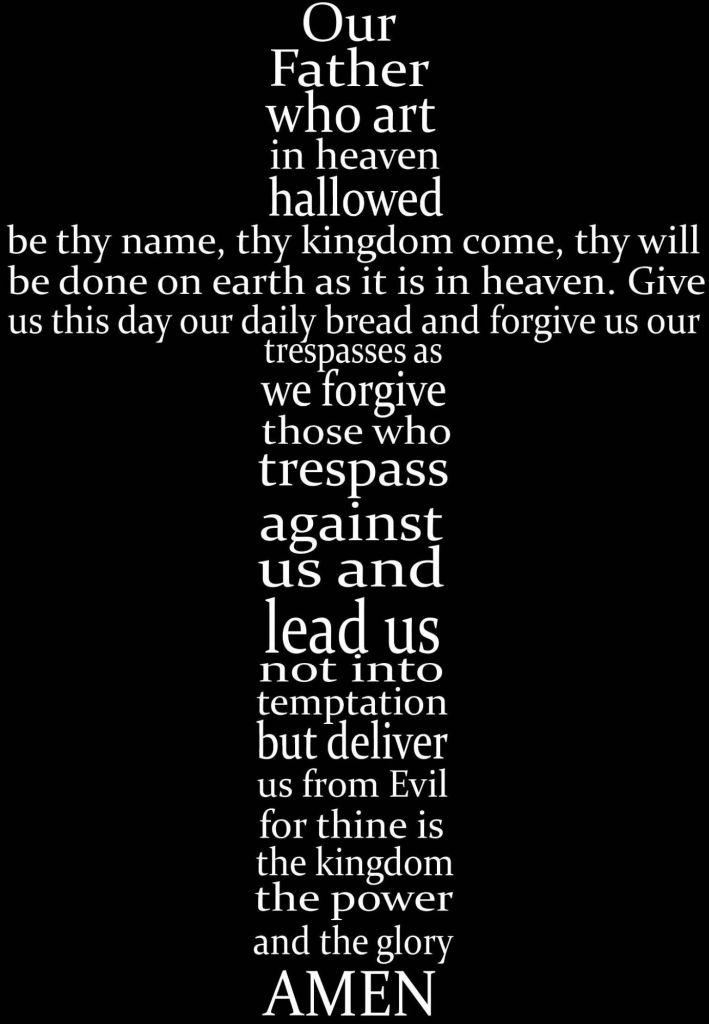
“And he said to them, When ye pray, say, Our Father who art in heaven, Hallowed be thy name. Thy kingdom come. Thy will be done, as in heaven, so on earth. Give us day by day our daily bread. And forgive us our sins; for we also forgive every one that is indebted to us. And lead us not into temptation; but deliver us from evil.” (Luke 11:2-4, Webster)
This prayer shows relationship and reverence and reveals intimacy and adoption therefore we are not distant servants but children of God, acknowledging dependence, love, and trust. His sovereignty and holiness reminds us that our source of help and authority is divine, not earthly.
As we pray we are hallowing His name, which means to honor as sacred, and we should always worship before we bring our petition. Prayer should always begin with thankfulness and reverence, asking God in the name of Jesus; believing in His character, His reputation, and His truth. Our prayer, our heart, our thinking, our determination must align with honor rather than entitlement. Before bringing needs to God, it never hurts to pause and say, “You are holy, wise, and faithful,” focusing the heart on who He is rather than what you want.
In prayer we should always express a longing for God’s reign and the fulfillment of His justice, peace, and righteousness. Spiritually this means asking for His rule to shape our hearts, our words, our thoughts, actions and to spread into the community in which we live. If one looks at it Prophetically, it looks ahead to Christ’s literal return and the establishment of His eternal Kingdom.
Our petition is for alignment, not for agreement, for In this changing of our praying, thinking, believing, and living It is both surrender and partnership that says we are submitting our decisions to God’s direction while desiring His truth to prevail in every sphere of life.
This prayer centers on dependence and trust, representing all our needs of food, shelter, strength, and spiritual nourishment from God’s Word, and reflects a rhythm of faith rejecting anxiety about tomorrow as we could also see in compare Matthew 6:34, helping, and teaching believers to rely on God continually rather than to live or falsely pursue self sufficiency. Jesus ties divine forgiveness to our willingness to forgive others, not as a transaction but as a reflection of His mercy in us.
Then closes with protection and guidance, and centers on God’s power to rescue us from sin’s trap and shows us a plea for spiritual vigilance, asking not merely for escape from trials, but for moral victory; simply put The lord’s Prayer forms a blueprint for all prayer.
 The Quill of Samantha Grace Newcastle