
Gematria,… Numerology… Eisegesis
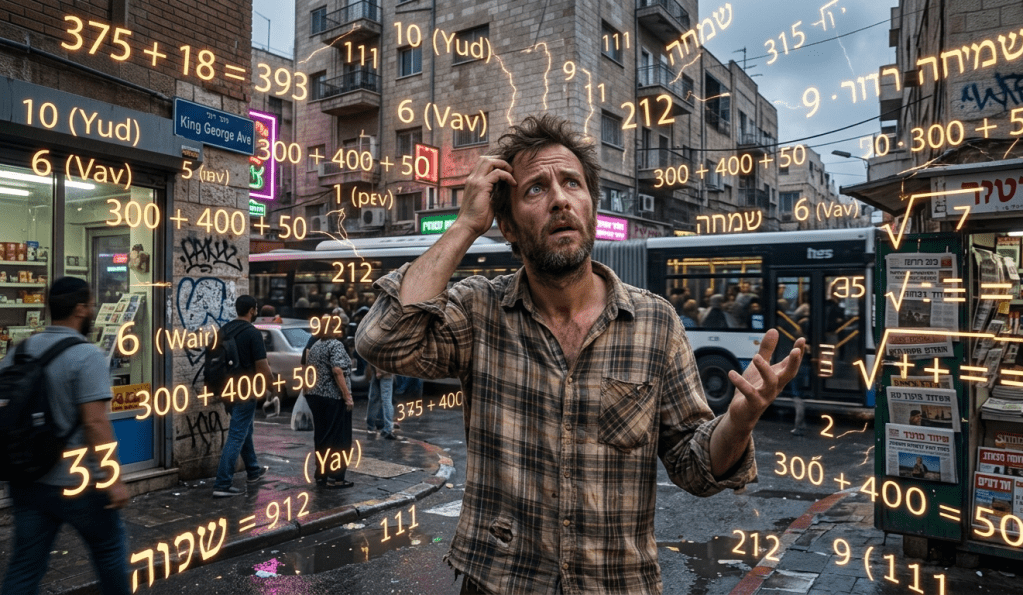
Leadership in many places has begun attaching spiritual meaning to numbers, patterns, and coincidences, believing they reveal divine messages or hidden codes, or steps of faith.
Some see the same number repeatedly, such as on clocks, receipts, or church attendance numbers, license plates, and conclude that God is trying to say something through it. Others connect events years apart, like shadows cast by cloud movement and formation, dates, or unusual alignments, and again, interpret them as evidence of divine timing.
While the desire to experience God’s presence is sincere, and I really think people desire it, yet this practice moves beyond Scripture and into superstition rather than faith, and sin can’t abide in truth, nor can grace survive law.
The Bible definitely uses numbers symbolically, but always with a clear, theological purpose such as the number seven often represents completeness, twelve signifies God’s covenant people, and forty is used in times of testing or preparation. Yet, these meanings occur in specific biblical contexts and are not presented as secret codes for personal revelation, or some stupid book about 40 days of purpose or etc.
When someone tries to replicate that symbolism in daily life by finding spiritual meaning in random occurrences, they are interpreting creation through private imagination, not divine instruction.
What often fuels this fire is called apophenia, the human inclination to see patterns in randomness. Once a person decides a certain number or image is significant, the mind becomes trained to look for it everywhere, ignoring countless other occurrences. It feels confirming, even miraculous, but it is simply the brain confirming what it wants to see.
This kind of thinking can lead someone away from the objective truth of Scripture into an endless self referential loop, where meaning is drawn from coincidence instead of Christ, even though Christ is mixed in, which is more dangerous.
Scripturally, the teaching of Sola Scriptura dismantles this approach entirely. God’s Word is complete and sufficient for life and godliness. The believer does not need “divine numbers” or “hidden signs” to discern the Lord’s will, or find miracles etc
Scripture itself provides everything necessary to know His character, purpose, and plan. The Psalms remind us that “the law of the Lord is perfect,” and Paul instructs Timothy that all Scripture is “God-breathed and useful for teaching, rebuking, correcting, and training in righteousness.” Seeking meaning outside of it undermines its sufficiency and subtly shifts faith from revelation to speculation, to sin l.
The danger in chasing numerical or symbolic patterns is not only theological error but spiritual distraction. It replaces hearing God’s voice in His Word with chasing echoes in the noise of coincidence. God invites His people to trust His Word, not to decode the universe. Whenever faith is mixed with mysticism and number lore, it stops being faith in God’s revelation and becomes faith in one’s own perception.
True biblical discernment refuses that substitution. It rests in the simple, profound truth that God has already spoken clearly through Scripture and through His Son, Jesus Christ. Those who trust in that Word are not left guessing, they walk by faith, not by calculations.
 The Quill of Samantha Grace Newcastle